Pictocards is built from images and sound: illustrations, photographs, spoken words, and one day, video. None of that appears by accident. Behind every good image is a person who learned to make it — and we want to be clear about how we think about those people, including where we fall short today.
Let's be honest about where we are
We'll start with the uncomfortable part. The decks we're launching with are largely AI-generated. We're a solo-founded company shipping our first version, and AI image tools let us put a working, affordable product in front of families now instead of in two years. That's the real reason, and we're not going to dress it up as anything more principled than it is.
But we want to say this plainly: this is not where we want to be. AI-generated art is our starting line, not our destination. We see it as scaffolding — the thing that lets us stand the building up — not the building itself.
The craft matters, and so do the people behind it
We're building in a strange moment for anyone who makes images for a living. Tools that can generate a picture in seconds are everywhere, and the easy path for a company like ours would be to lean on them forever and never commission another human being.
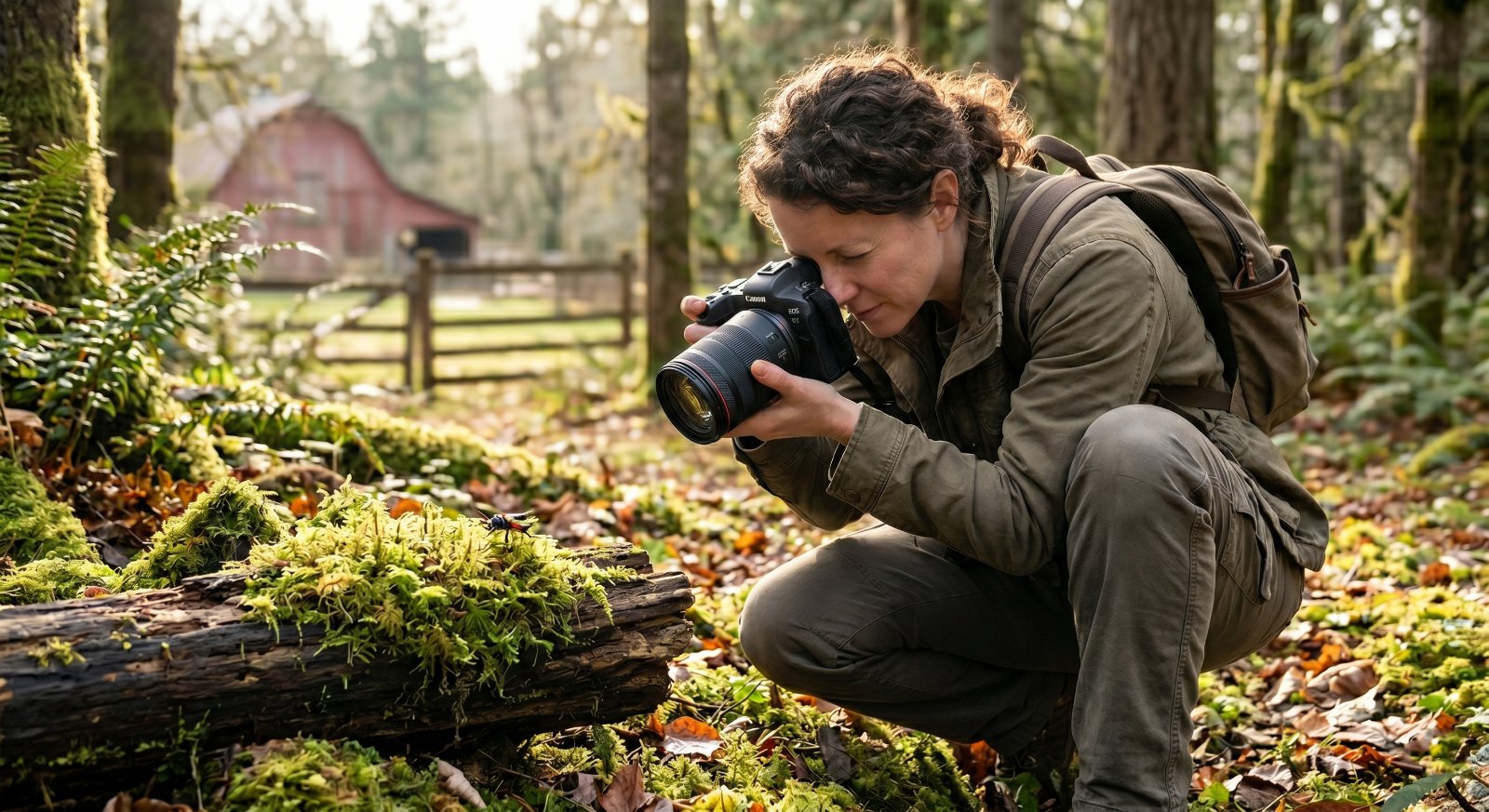
We don't want that path. The illustrations and photographs that make a flashcard feel warm, specific and trustworthy carry something a generated average struggles to: a point of view, a hand, a choice. A real photograph of a real animal has detail no model invents. An illustrator's drawing carries decisions a person made on purpose. We think children — and the parents choosing what to put in front of them — can feel the difference, even when they can't name it.
So our direction is to work with creators, not around them. As Pictocards grows, we want to replace generated content with commissioned illustration and real photography, credit the people who make it, and pay fairly for the craft we're asking for.
What this looks like in practice
We'll be honest about pace: we're early, and a solo-founded company can't commission everything at once. The AI-made cards won't all disappear overnight. But here's the direction we're committed to, and the order we intend to move in:
- Replace, don't accumulate. As revenue allows, we reinvest in commissioned and photographed decks that take the place of generated ones — starting with the decks families use most.
- Fair pay for real work. When we ask a creator to make something, we pay for it as the skilled work it is — not at a race-to-the-bottom rate justified by "the machine could do it for free."
- Credit where it's due. Artists and photographers whose work appears in Pictocards are named and recognised, not absorbed anonymously.
- Clear terms. Creators know exactly how their work will be used, for how long, and where. No surprises buried in fine print.
- Honest labelling. We'd rather you know what you're looking at. As we move from generated to human-made decks, we want to be transparent about which is which.
Why we're saying this out loud
It would be easier to stay quiet and let people assume our cards were made the way they'd hope. But we think a company's values are only worth anything if they're stated plainly enough to be held to — especially the parts that aren't flattering yet.
We're not anti-technology. We're using AI right now, and we'll keep being thoughtful about where new tools genuinely help. But we don't want to build a product whose quiet cost is the erasure of the very craftspeople who make children's media beautiful. The shift happening across creative work right now is real, and small companies get to decide which side of it they build on. We know which side we want to end up on — and we'd rather tell you that while we're still climbing toward it than pretend we're already there.
If you're a creator
If you're an illustrator, photographer or other creator who cares about children's media and wants to work with a small, values-led company, we'd genuinely like to hear from you. We can't promise we can commission everyone today — but we're building the kind of company we'd want to work with, and we'd rather grow that network early than late.
You can reach us through the contact form on this site. Tell us a little about your work. We read every message.